When we talk about rescue animals, it can be easy to focus on what they have been through.
We might talk about their fear, their difficult beginnings, the things they struggle with or the behaviours we find hard to understand. Their past experiences can be important in helping us understand them, but there is so much more to every animal than the things that have happened to them.
Behind the fear, the uncertainty or the behaviours we find challenging is an individual. An animal with their own character, preferences, feelings and ways of experiencing the world. An animal who still has so much to show us, if we are willing to look beyond what we see on the surface.
I believe animals can teach us a great deal about ourselves. They can challenge the ways we have always done things and help us discover kinder, more thoughtful ways of approaching the world. They can invite us to become more patient, more observant and more willing to listen rather than assume we already know what is needed.
And in doing so they can open the door to a connection that is deeper than we might ever have imagined.
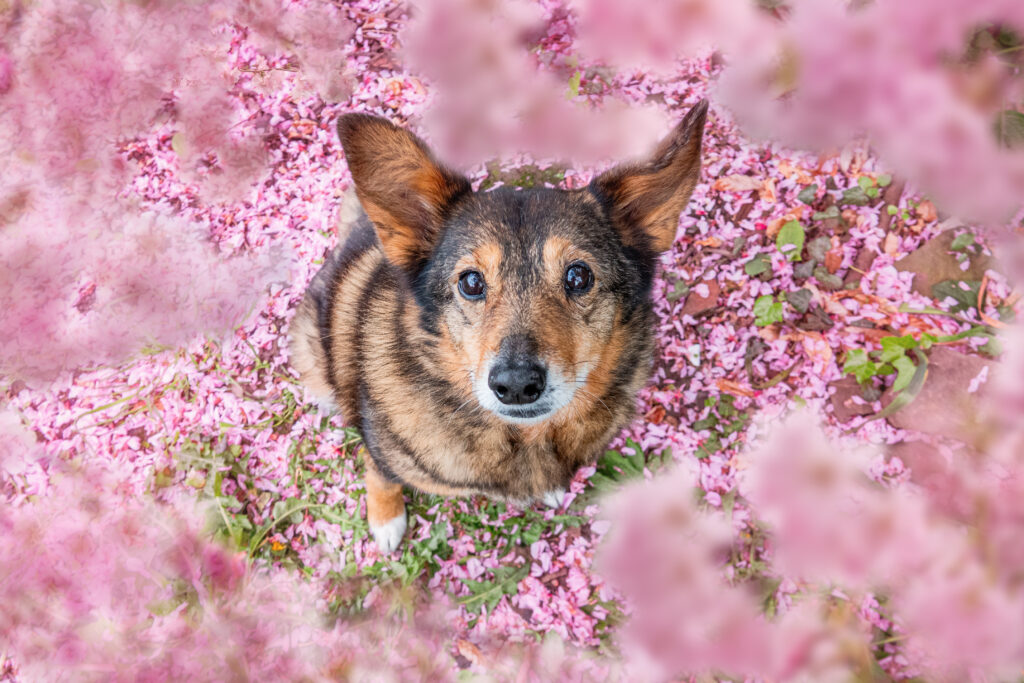
When Grace first came to me, she was fearful and mistrusting of almost everything and everyone. She taught me just how much patience was needed, and how important it was to move at her pace rather than expect her to adjust to mine. As time went on, I began to see her become more comfortable and relaxed with me. Before long, she would spend ages enjoying a tummy rub, wagging her tail when she was near me, with the loveliest soft, trusting eyes. I knew she had a sweetness about her from the beginning, but as our journey together unfolded, she showed me just how much more of that beautiful character there was to discover.
There Is More To Them Than Their Fear
A fearful animal is not simply a fearful animal. A rescue dog who struggles with other dogs, a rescue cat who finds new places overwhelming or a rescue pony who needs more time to feel comfortable with people are not defined by those difficulties.
They may be playful, curious, funny, affectionate, determined, sensitive or full of surprising little quirks. They may have preferences that make perfect sense to them but leave us wondering why on earth they love one thing and avoid another. They may show us parts of their personality that take months or even years to discover.
Sometimes we become so focused on helping an animal overcome a difficulty that we forget to notice everything else about them.
What do they enjoy? What makes them feel at ease? What makes them light up? What do they choose to do when they have the freedom to be themselves?
These questions are important because they help us see the individual, rather than viewing everything through the lens of fear or the animal’s history.
We may never know everything they have experienced, and we don’t need to know every detail to begin understanding who they are today. Their past deserves compassion, but it does not have to be the only story we tell about them.
A Relationship That Teaches Us Too
When we welcome a rescue animal into our lives, we often have hopes for the relationship we will build. We imagine the walks, the adventures, the play and the quiet moments of companionship. We want them to feel happy, safe and loved.
When fear or uncertainty makes those things difficult, it can be heartbreaking. We may wonder whether we are doing enough, whether we are getting things wrong or whether the connection we hoped for will ever come.
But what if we allow ourselves to approach the journey differently?
Rather than seeing it only as a process of helping the animal adjust to our world, we could also see it as an opportunity to learn from them.
Perhaps they need us to slow down. Perhaps they are showing us that something we thought was harmless feels overwhelming to them. Perhaps we need to become more observant, question our expectations or recognise that what works for one animal may not be right for another.
The animal is not the only one learning.
When we become curious about their experience instead of concentrating solely on changing their behaviour, we give ourselves a chance to understand them more deeply. We begin to notice the small details: the moment their body softens, the distance at which they feel comfortable, the invitation to interact or the subtle sign that they need a little more space
These moments may not look remarkable from the outside, but they can tell us a great deal about how an animal is experiencing life with us.
Trust Cannot Be Rushed, But It Can Grow
If you are caring for a fearful rescue animal and sometimes feel disheartened, I would love you to know that you do not have to have everything figured out.
You don’t need to find a quick fix or follow somebody else’s timeline. You don’t need to measure your relationship against the experiences of other guardians or believe that progress only counts when your animal can do something they previously found difficult.
What counts is learning to understand the animal in front of you.
Patience, listening and allowing an animal to have a say in what happens to them can make a meaningful difference to the relationship you build. That means noticing when they are comfortable, respecting when they need space and giving them opportunities to make choices wherever possible.
It also means recognising that trust is not simply about an animal allowing us to do something. There is a difference between an animal tolerating an experience and feeling comfortable enough to engage with it. The more we learn to recognise that difference, the better we can support their wellbeing.
We cannot promise exactly how our journey will unfold. Every animal is an individual, and some will continue to find certain situations difficult. A fulfilling relationship does not depend on removing every fear.
A beautiful connection can grow through all the small moments when an animal begins to feel understood, when their needs are recognised and when they discover that their communication matters.
Our love and good intentions are important, but they are not the whole story. We also need to find ways of expressing that care through our actions, by listening, responding and being willing to adjust when something isn’t working for the animal.
Over time, these experiences can help create a relationship in which both human and animal feel more at ease with one another.
What Does A Beautiful Connection Really Look Like?
For me, a beautiful connection is about more than obedience, perfect behaviour or being able to take your dog everywhere.
It is a relationship in which two individuals have learned to understand each other. The human notices what the animal needs and responds with care. The animal has opportunities to communicate, make choices and feel safe enough to express themselves.
There is a sense of ease between them. Training can become an enjoyable experience because it is built on trust and cooperation. Adventures can be shared because the human is paying attention to what the animal is comfortable with, rather than expecting them to simply keep up.
And there are the everyday moments, too: looking at your animal and smiling, feeling happy simply because they are there, or noticing them doing something that reveals another little piece of that personality.
Perhaps the relationship doesn’t look exactly as you imagined it would. Perhaps your adventures are quieter, your walks are shorter or your animal needs more support than you expected. That does not mean the connection is any less meaningful.
Sometimes, the deepest relationships grow when we let go of the picture we had in mind and make room for the individual who is actually sharing our lives.
Let Them Show You Who You Are
Rescue animals have their own experiences, but they also have their own ways of connecting, their own preferences and their own potential for a relationship that is right for them.
We don’t have to know everything about their past to begin building a better future together. We can start by being curious about who they are now.
What do they enjoy? What do they find difficult? What are they communicating through their behaviour? What might change if we gave them more time, more choice or a different kind of support?
And what might they teach us if we were willing to listen?
The journey with a fearful animal may ask more of us than we expected. It can challenge our assumptions, bring up difficult feelings and require us to rethink what progress looks like. But it can also offer extraordinary gifts: a deeper understanding of another individual, a greater awareness of our own responses and a connection built on learning to meet each other with care.
You may not know yet what your relationship will look like in year’s time. You may still be working through difficult moments and wondering whether things will ever feel easier.
Keep making space to notice the animal beyond those difficulties. Celebrate who they are, not only what they are learning to manage. Let them influence the journey, and allow your understanding of them to grow.
You may discover that the relationship you build is not the one you first imagined, but something every bit as valid.
Every rescue animal deserves to be seen as more than their past. They deserve the chance to be understood as the individual they are, and the opportunity to discover what a relationship built on patience, respect and trust can feel like.
And we do have so much to learn from them.
With love and kindness,